

- Project Name: Business Accounting
- Client: Company Name Inc.
- Project Commencement Date: January 26, 2019
- Project Completion Date: March 27, 2019
- Project url: www.example.com
SPM
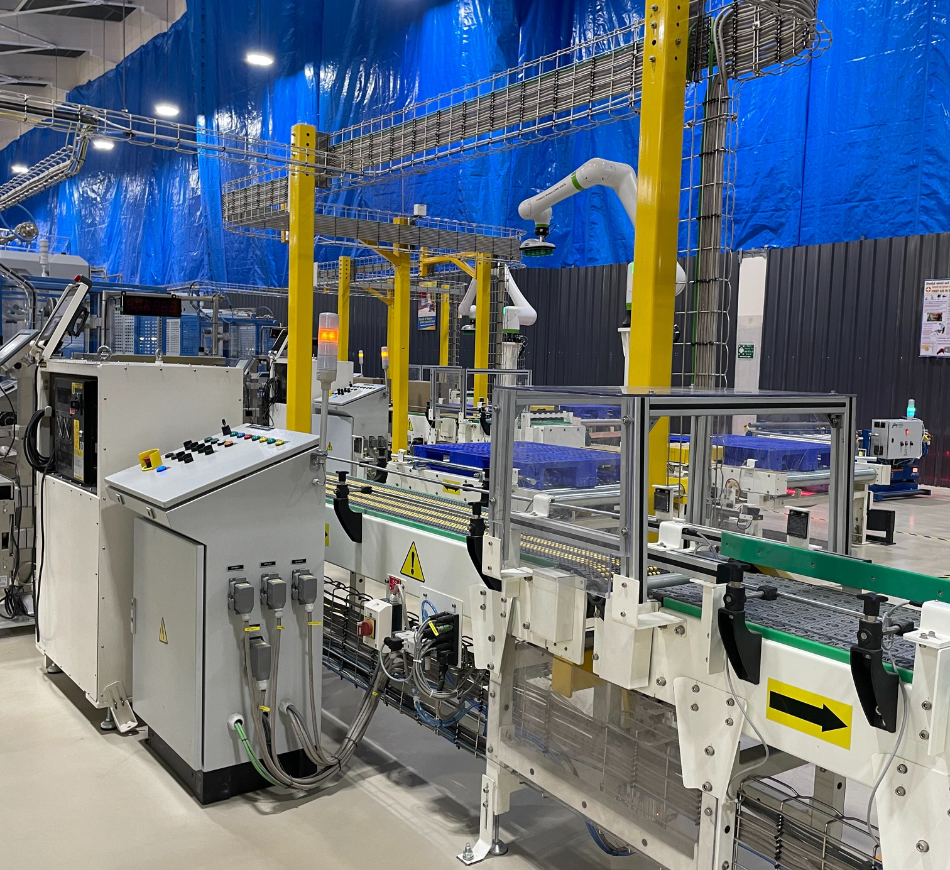
SPM automation stands for Special Purpose Machine automation. Special Purpose Machines (SPMs) are designed and customized to perform specific tasks or operations in manufacturing or production processes. SPM automation involves integrating automation technologies into these specialized machines to improve their performance, efficiency, and flexibility.
Here are some key aspects of SPM automation:
- Customization: SPMs are tailored to meet the unique requirements of a particular manufacturing process or operation. Automation technologies such as robotics, PLCs (Programmable Logic Controllers), sensors, and actuators can be integrated into SPMs to enhance their functionality and adaptability to different tasks.
- Increased Productivity: Automation in SPMs can significantly increase productivity by reducing cycle times, minimizing downtime, and improving throughput. Automated SPMs can perform repetitive tasks with high precision and consistency, leading to higher production output.
- Quality Improvement: Automation technologies incorporated into SPMs can enhance product quality by ensuring precise and accurate manufacturing processes. Automated inspection systems can detect defects or inconsistencies in real-time, leading to reduced scrap and rework.
- Flexibility: SPM automation enables greater flexibility in manufacturing processes by allowing rapid reconfiguration or reprogramming of machines to accommodate different products or production requirements. This adaptability is essential in industries with varying product demands or frequent changeovers.
- Cost Savings: While the initial investment in SPM automation may be significant, it can result in long-term cost savings through improved efficiency, reduced labor costs, decreased scrap, and increased uptime. Automation also enables predictive maintenance, which helps prevent costly machine breakdowns.
- Safety: Automation in SPMs can improve workplace safety by reducing the need for manual intervention in hazardous or repetitive tasks. Safety features such as interlocks, guarding, and emergency stop systems are often integrated into automated SPMs to protect operators and equipment.
- Data Analytics and Connectivity: Automation in SPMs allows for the collection of valuable production data, which can be used for performance monitoring, optimization, and decision-making. Integration with Industrial Internet of Things (IIoT) platforms enables real-time monitoring and remote management of SPMs, leading to proactive maintenance and operational efficiency.