
- Project Name: Business Accounting
- Client: Company Name Inc.
- Project Commencement Date: January 26, 2019
- Project Completion Date: March 27, 2019
- Project url: www.example.com
Control Panel
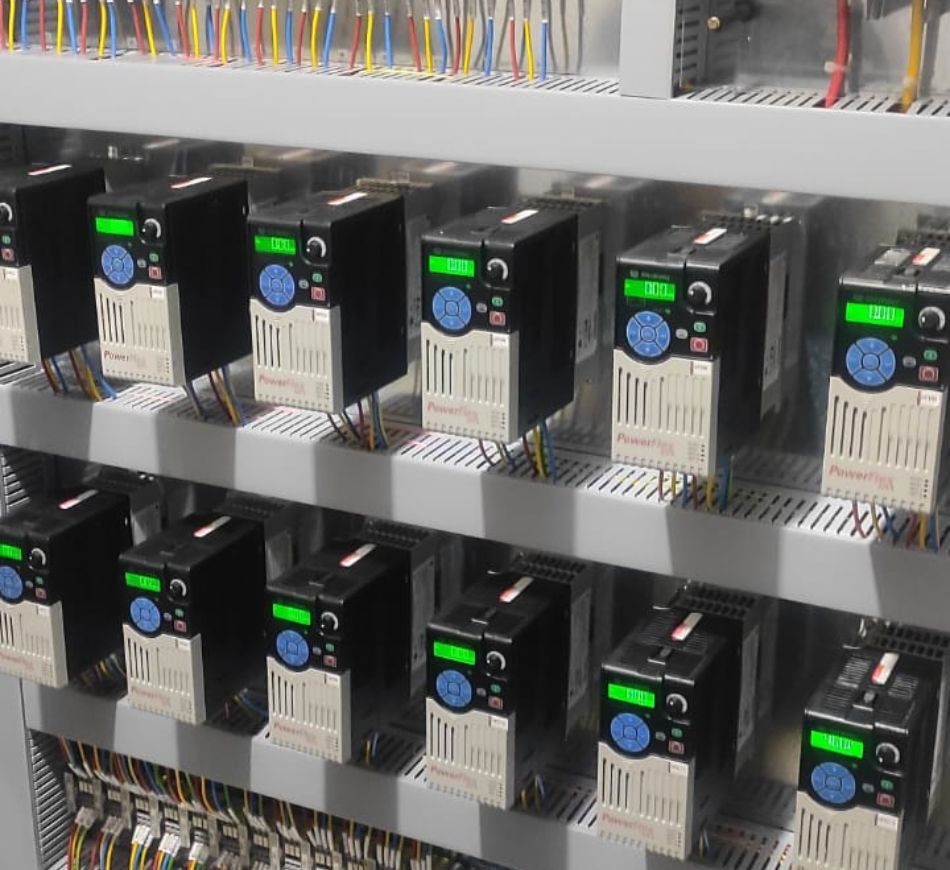
In automation, a control panel is a physical or virtual interface that allows operators to monitor and control various aspects of automated systems or processes. It serves as a centralized hub where operators can interact with different components of the automation system to adjust settings, initiate actions, and receive feedback.
Here are some key features and components typically found in a control panel:
- Human-Machine Interface (HMI): The HMI is the user interface of the control panel, typically consisting of a touchscreen, display, buttons, and indicators. It provides operators with visual feedback and intuitive controls to interact with the automation system.
- Programmable Logic Controller (PLC): The PLC is the brain of the automation system, responsible for executing control logic, processing input signals, and generating output signals to control actuators and devices. The control panel often houses the PLC or is connected to it.
- Input/Output (I/O) Modules: These modules interface with sensors, switches, actuators, and other devices in the automation system. They convert physical signals (e.g., temperature, pressure, position) into digital signals that the PLC can process, and vice versa.
- Power Distribution: The control panel typically includes components for distributing power to various devices and components within the automation system. This may involve circuit breakers, power supplies, transformers, and terminal blocks.
- Communication Interfaces: Control panels often feature communication interfaces such as Ethernet, serial ports, or fieldbus protocols (e.g., Modbus, Profibus) to facilitate communication between the control panel and other devices or systems in the network.
- Safety Components: In many applications, control panels incorporate safety features such as emergency stop buttons, safety relays, and interlocks to ensure the safe operation of the automation system and protect personnel and equipment from harm.
- Control Devices: Control panels may include switches, knobs, and levers for manual control of certain functions or parameters of the automation system. These controls provide operators with a backup or override option in case of automated system failure or emergency.