

- Project Name: Business Accounting
- Client: Company Name Inc.
- Project Commencement Date: January 26, 2019
- Project Completion Date: March 27, 2019
- Project url: www.example.com
Food and Beverage
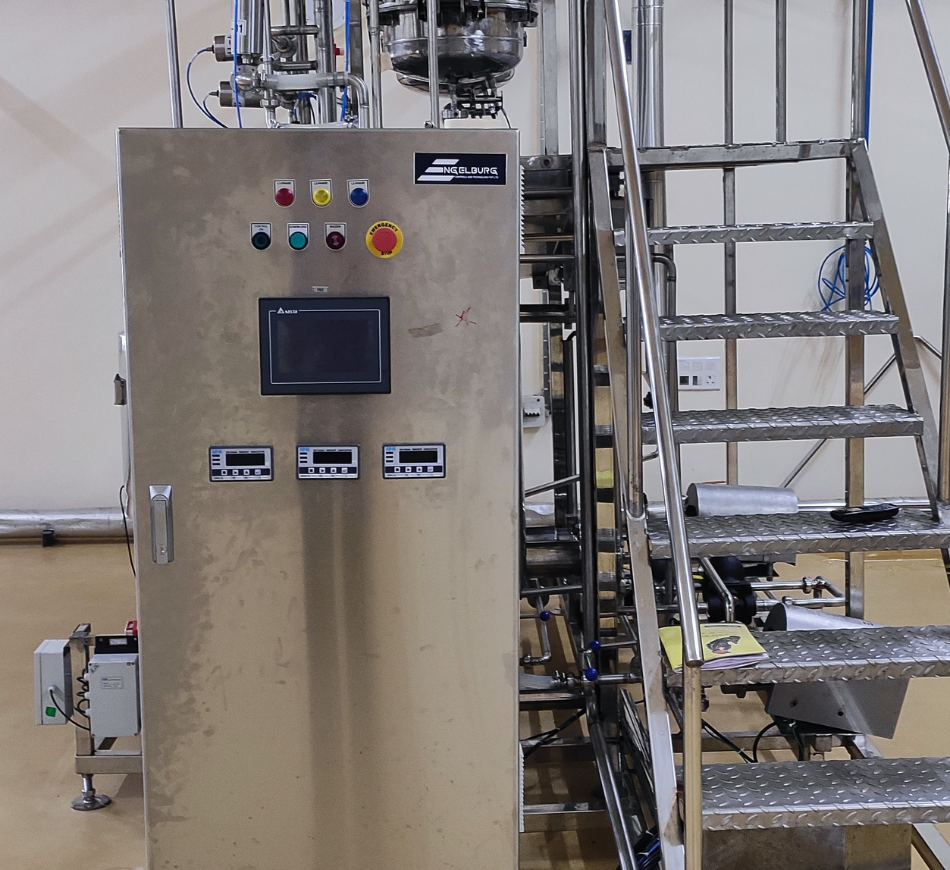
Food and beverage automation refers to the use of automated technologies and systems in the food and beverage industry to streamline processes, increase efficiency, improve quality, and ensure food safety. This automation encompasses various aspects of production, packaging, distribution, and even customer service within the food and beverage sector.
Here are some key areas where automation is commonly applied in the food and beverage industry:
- Production Line Automation: Automated production lines are used to process raw materials and ingredients into finished food and beverage products. This includes automated mixing, cooking, baking, slicing, filling, and packaging processes. Robots and machinery handle tasks such as ingredient handling, portioning, and assembly, increasing speed and consistency while reducing labor costs.
- Quality Control: Automation plays a crucial role in ensuring product quality and safety. Automated systems are used for quality inspection, including visual inspection systems, sensors, and imaging technologies to detect defects, contaminants, or irregularities in products. Automated quality control systems help minimize the risk of product recalls and maintain compliance with regulatory standards.
- Inventory Management and Supply Chain: Automated systems are employed for inventory management, tracking raw materials, ingredients, and finished products throughout the supply chain. This includes automated storage and retrieval systems (AS/RS), barcode scanning, RFID tracking, and automated order fulfillment processes to optimize inventory levels, reduce waste, and improve supply chain visibility.
- Packaging and Labeling: Automation is used extensively in packaging and labeling processes to increase efficiency and consistency. Automated packaging equipment, such as filling machines, sealing machines, and labeling machines, handle tasks such as filling containers, sealing packages, applying labels, and printing expiration dates and batch codes. This ensures that products are properly packaged and labeled according to regulatory requirements.
- Distribution and Logistics: Automated systems are utilized in distribution centers and warehouses to streamline order picking, sorting, and shipping processes. Automated guided vehicles (AGVs), conveyor systems, and robotic palletizers are used to transport and handle goods within warehouses, optimizing storage space and reducing manual labor.
- Food Service Automation: Automation is also transforming the food service industry, with self-service kiosks, automated ordering systems, and robotic kitchen equipment becoming increasingly common in restaurants, cafes, and fast-food chains. These technologies improve order accuracy, reduce wait times, and enhance the overall dining experience for customers.